


Invest Early: Why High-Quality Coaching From Day One Changes Everything
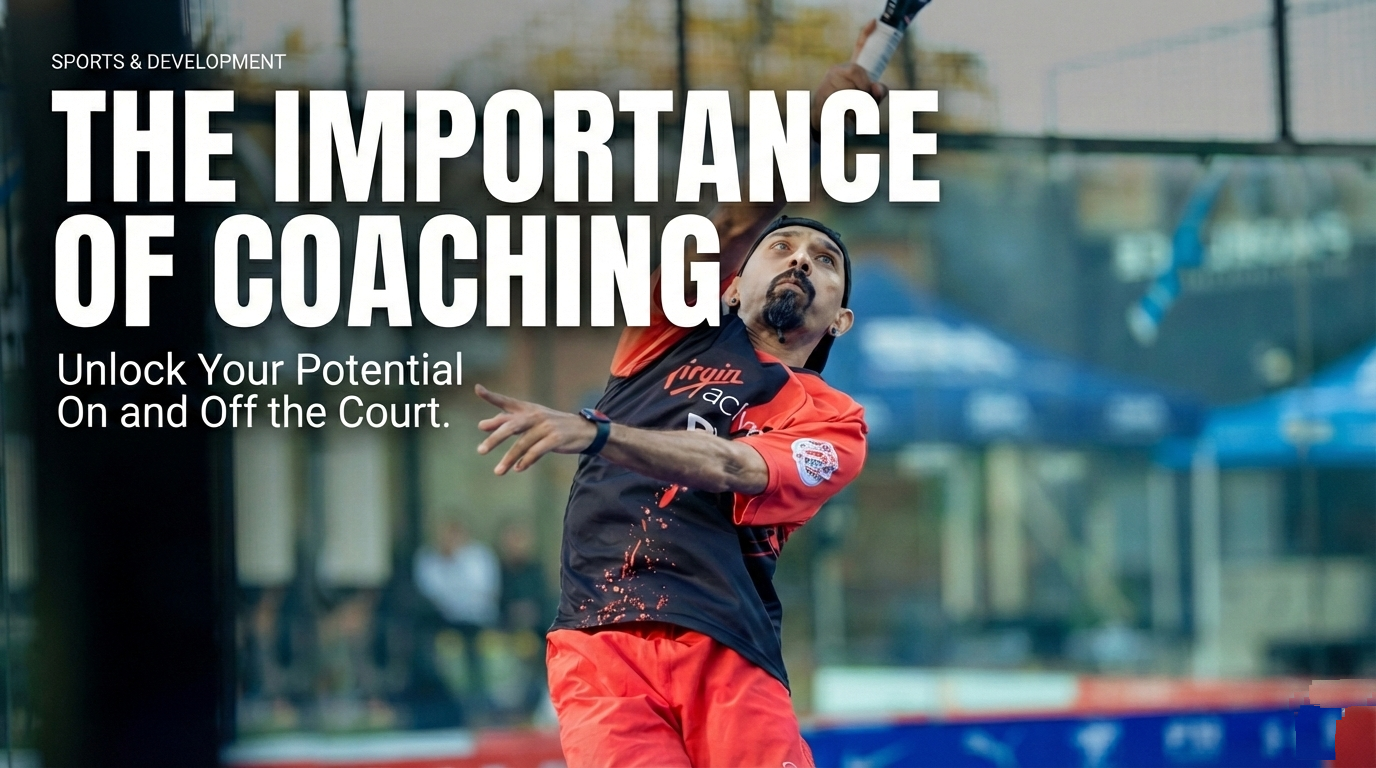
For new players stepping into the world of padel, investing in high-quality coaching from the outset can transform your entire experience on the court, accelerating your progress and setting you up for long-term success.
In rapidly growing padel markets like South Africa, where the sport is exploding in popularity, it’s common for beginners to dive straight into casual matches with friends or at local clubs. This immediate accessibility is one of padel’s greatest charms—it’s inherently social, fostering quick bonds over rallies and laughs, while offering a competitive edge and pure enjoyment right from your first game. Unlike more solitary sports, padel invites you to jump in and play without feeling overwhelmed, making it an ideal entry point for all ages and fitness levels.
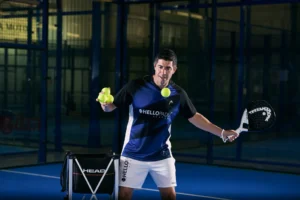
However, if your goals extend beyond recreational fun—whether that’s sharpening your skills, boosting your self-assurance, or even eyeing participation in amateur leagues or tournaments—relying solely on unstructured play won’t cut it. Casual matches, while exhilarating, often reinforce trial-and-error learning, where you might pick up inefficient techniques or overlook key fundamentals. Without expert input, it’s all too easy to ingrain bad habits, such as poor footwork, improper grips, or erratic shot choices, which can become deeply rooted and frustratingly hard to correct later on. These flaws not only slow your improvement but can also lead to unnecessary injuries, like strains on your wrists, shoulders, or knees from incorrect movements. Studies and coaching experts emphasize that self-taught players often spend far more time unlearning these issues than those who start with guidance, potentially stunting their potential and diminishing the joy of the game.
This is where professional coaching shines, providing a structured foundation that unlocks padel’s deeper layers. A skilled coach tailors lessons to your individual needs, offering personalized feedback on everything from basic techniques—like mastering the backhand, forehand, volleys, and effective use of the glass walls—to advanced tactics such as strategic positioning, reading opponents, and optimal shot selection. You’ll learn not just how to hit the ball, but when and why, turning reactive play into proactive strategy. Beyond the technical side, coaching builds physical conditioning through targeted drills that enhance agility, speed, endurance, and overall fitness—burning calories at an impressive rate while keeping sessions engaging and intensive. It also cultivates mental toughness, teaching you to stay composed under pressure, manage emotions, and maintain a positive mindset during high-stakes points. As a result, you progress faster, avoid common pitfalls, and gain the confidence to tackle more challenging opponents or scenarios.
The ripple effects are profound: With a solid grasp of the game’s nuances, padel evolves from a simple pastime into a richly rewarding pursuit. Matches become more strategic and satisfying, your performance improves noticeably, and the social aspects amplify—group lessons often lead to new friendships, playing partners, and a sense of community that extends off the court. Plus, the motivation and accountability from a coach keep you consistent, turning potential plateaus into steady milestones that make every session feel like a win.
As a coach, watching students absorb these essentials and lay down strong foundations from day one reminds me how coaching doesn’t just elevate skills; it ignites a lifelong passion for padel. If you’re just starting out, don’t underestimate the power of that early guidance—it could be the key to making the sport truly your own.
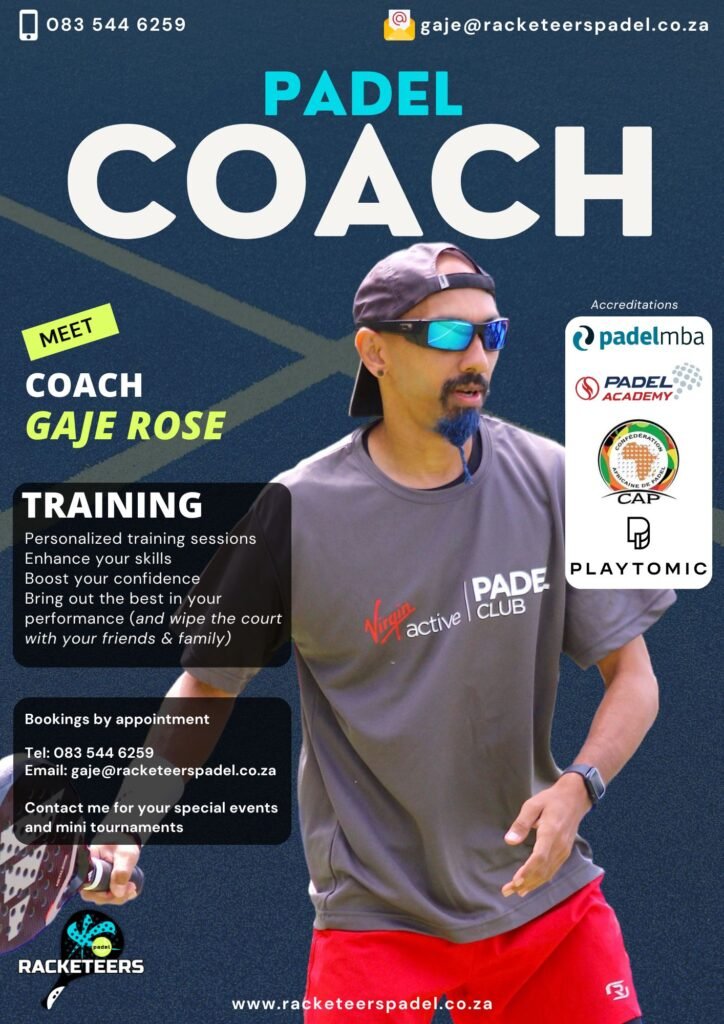
Gaje
Share





Post Comment
You must be logged in to post a comment.