





Diversifying Revenue: How Padel Clubs Are Building Sustainable Businesses Amid Boom and Bust
Padel is exploding in popularity—from the sunny courts of Spain and Italy to emerging hotspots in the UK and US. But with this rapid growth comes fierce competition and skyrocketing costs. Club operators are getting creative, turning their venues into multifaceted hubs that go way beyond just renting out courts. In this post, we’ll dive into the strategies padel clubs are using to secure steady income streams. Whether you’re a club owner, player, or just a fan of the sport, these tips could reshape how you think about padel as a business.
The Shift to Multi-Stream Revenue Models
Gone are the days when padel clubs could rely solely on court bookings. As the sport surges—think packed tournaments and social leagues—operators are layering in extras to keep the cash flowing. Key revenue boosters include:
- Padel Essentials: Coaching sessions, tournaments, and on-site sales of apparel and gear.
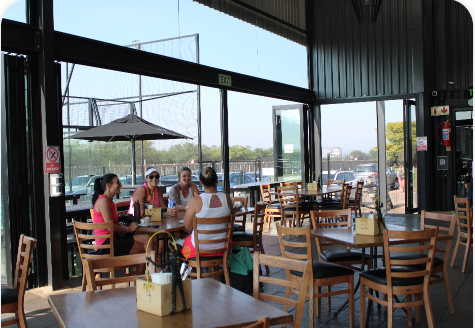
- Beyond the Court: Catering options, wellness facilities like gyms or saunas, and leisure spaces for hanging out.
- Smart Business Moves: Sponsorship deals, advanced booking tech, and flexible pricing models to predict and stabilize earnings.
The UK’s Lawn Tennis Association (LTA), which officially embraced padel in 2020, nailed it in their 2023 guidance: Sustainability comes from diverse sources like memberships, sponsorships, fundraising, and grants. They stress matching your club’s offerings to local needs—don’t just build courts; make the clubhouse a revenue machine too.
Battling Rising Costs with Premium Strategies
Inflation is hitting hard, jacking up prices for materials, labor, and fancy upgrades like panoramic courts, tech integrations, and better lighting. As Julián Romaguera, a sports club advisor from Marbella, Spain, puts it: “A premium court only pays off if it lets you charge more, extends play year-round, or ties into a broader hospitality vibe that boosts add-on sales and customer loyalty.”
Romaguera, who helped design Los Naranjos Padel Club (with 18 courts, pickleball, a gym, restaurant, and more), urges clubs to think like spas or golf resorts. “Courts are the star, but the real value is in the surrounding experience— that’s what unlocks multiple income streams.”
Creating a Welcoming Hospitality Culture
Miguel Coelho, founding partner of US-based padel court supplier AMPX, emphasizes staff training as the secret sauce for loyalty and profits. “Coaches aren’t just instructors; they’re hosts who pair players, build community, and guide newbies into leagues,” he says. Drawing from mature markets like Spain and Italy, Coelho notes that inclusive clubs command higher prices for memberships and coaching, reducing turnover and encouraging longer visits (and more spending).
In the US, where padel is newer, fostering that “club family” feel can turn one-time renters into lifelong members. As Coelho warns, it’s about planning culture from the start—not as an afterthought.
Customer-Centric Revenue Tactics
Top clubs are putting players first to amp up earnings. Romaguera spotlights UK gems like Padel Social Club (with spots in London and plans for Somerset), which blends premium courts with saunas, bars, and social zones. In the US, Padel Haus and Reserve Padel stand out—think steam rooms, lounges, and waterfront views that justify premium pricing and keep players lingering.
David Cano Gutierrez from Beyond Padel Academy suggests tiered plans: Premium members get peak-hour perks, while discounts lure off-peak play. US consultant Mac Barron adds that younger players’ parents prefer bite-sized payments, like monthly memberships bundled with training and events, cutting churn by 15-25%.
Tech Tools for Smarter Operations
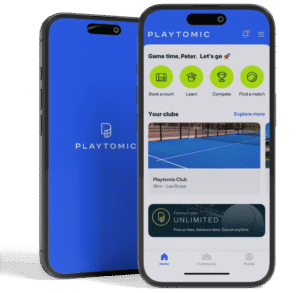
Booking platforms like Playtomic aren’t just schedulers—they’re revenue engines. Romaguera calls them “data powerhouses” for dynamic pricing, matchmaking, and spotting top-spending customers for targeted perks. Pair this with programming like leagues or corporate events to fill quiet hours.
But Coelho cautions: Don’t let apps steal your thunder. Low-tech wins, like internal ladders or social mixers, keep loyalty tied to the club, not the platform.
Investing in Quality Courts and Indoor Vibes
High-end courts remain non-negotiable for player satisfaction, even if they push operators to diversify. Coelho advises auditing basics like lighting and maintenance for quick, cost-effective upgrades. In Italy, where padel is maturing, Andrea Rossetti of Padel Corporation pushes for indoor setups: Better playability, lower upkeep, and pro-grade features like premium turf and glass walls draw committed players.
Take Hype Club Centro Padel in Trento, opened in May 2025. Manager Chiara Pasqualini credits FITP-certified coaches, student marketing, corporate events, and membership perks (like spa discounts and Playtomic subs) for turning profits in just seven months.
The Power of Sponsorships
Sponsorships are heating up as a game-changer. Alessandro Corti of Padel Consulting says clubs can snag deals beyond sports brands—think fashion, cars, or finance. Examples: Cupra (a VW-owned brand) partners with UK tours and local clubs like The Padel Club in Gloucester.
Rocket Padel in the UK teams with EA7 Armani, Barebells snacks, Estrella Damm beer, and Moët Hennessy for on-site sales. Romaguera adds that padel’s upscale crowd makes it prime for activations like branded courts or social media tie-ins, especially in corporate networking scenes.
Wrapping Up: Sustainability in Padel’s Future
As padel keeps growing, the winners will be clubs that blend top-notch facilities with hospitality smarts, tech savvy, and diverse revenues. It’s not just about the game—it’s about creating experiences that keep players coming back and spending more. If you’re running a club, start by auditing your streams and community vibe. Players, seek out spots that feel like more than just courts. What’s your take on padel’s business side? Drop a comment below!
Share











Post Comment
You must be logged in to post a comment.