




Beyond the Court: Why Padel is an Antidote to Loneliness (And How Clubs Must Adapt)
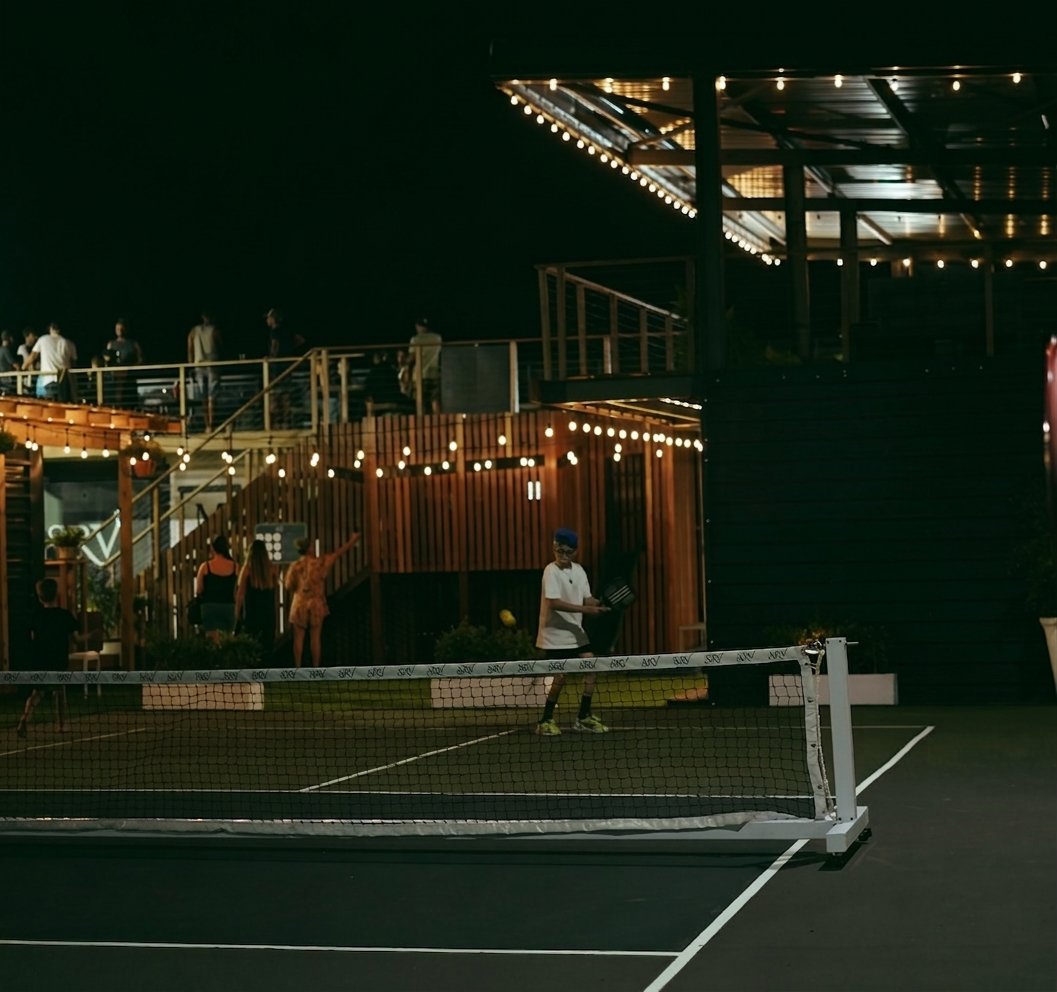
Padel is undeniably one of the fastest-growing sports globally, catching the eye of both casual players and serious investors. But beneath the impressive growth metrics lies a much deeper societal trend: the search for meaningful connection in an increasingly isolated world. If we want to build sustainable, profitable padel facilities, we have to realize that the sport is merely one ingredient in solving a massive modern challenge—loneliness. Here is why the future of padel belongs to the hospitality industry, not just sports and recreation.
🎾 More Than Just a Game
Unlike traditional sports where competition takes center stage, padel thrives on social bonds. As remote work and flexible schedules leave people with more isolated free time, they are actively looking for spaces to fill that void.
- Healthier Networking: For many, it’s easier to forge genuine relationships over a shared, health-conscious activity than in traditional settings like bars, nightclubs, or even Tinder.
- Structured Socializing: Padel provides a low-pressure, informal environment to meet people and socialize. It’s an active, physical antidote to the loneliness epidemic.
🤝 The “Tribal” Phenomenon
To grasp padel’s true business potential, we must understand the difference between a community and a tribe.
Padel is inherently tribal. While communities are often based on proximity or convenience, tribes share a deeper, instinctual bond united by passion and identity.
Padel naturally caters to a broader audience united by the game. However, this broad appeal is a double-edged sword: without a well-defined concept, attracting a highly diverse crowd can eventually dilute a club’s identity.
🏢 The Branding Imperative: Avoiding the Commodity Trap
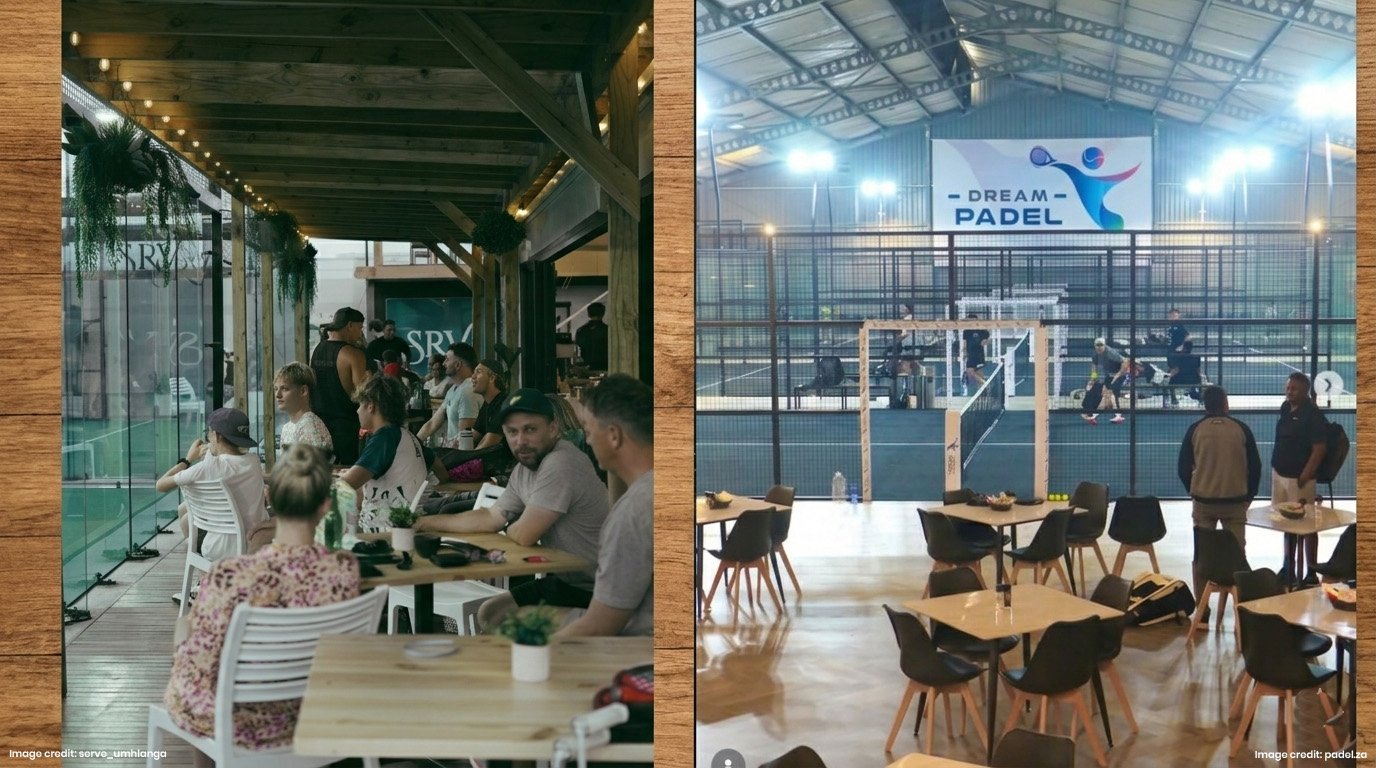
Because padel is an ingredient and not the entire dish, the real industry we are operating in is hospitality. As the market matures, the divide between branded and unbranded facilities will become stark:
- Commodity Clubs: even those with nice aesthetics—that focus purely on court rentals will become undervalued. Without an emotional connection or a distinct identity, they will inevitably turn into functional commodities competing solely on minimal cost. Referencing many of the clubs that rely solely on aesthetic appeal, for example though they may be nicely packaged, they often lack a deeper connection to their audience. These are commodity clubs—functional, but not exceptional. While they may meet the immediate needs of their members, they fail to tap into the true potential of padel as a tribal and social experience, making them ultimately unsustainable in the long run.
- Lifestyle Hubs: the most successful facilities will create strong, branded concepts. They will leverage padel as the anchor for a holistic social club format, focusing heavily on the broader hospitality experience.
💡 The Takeaway
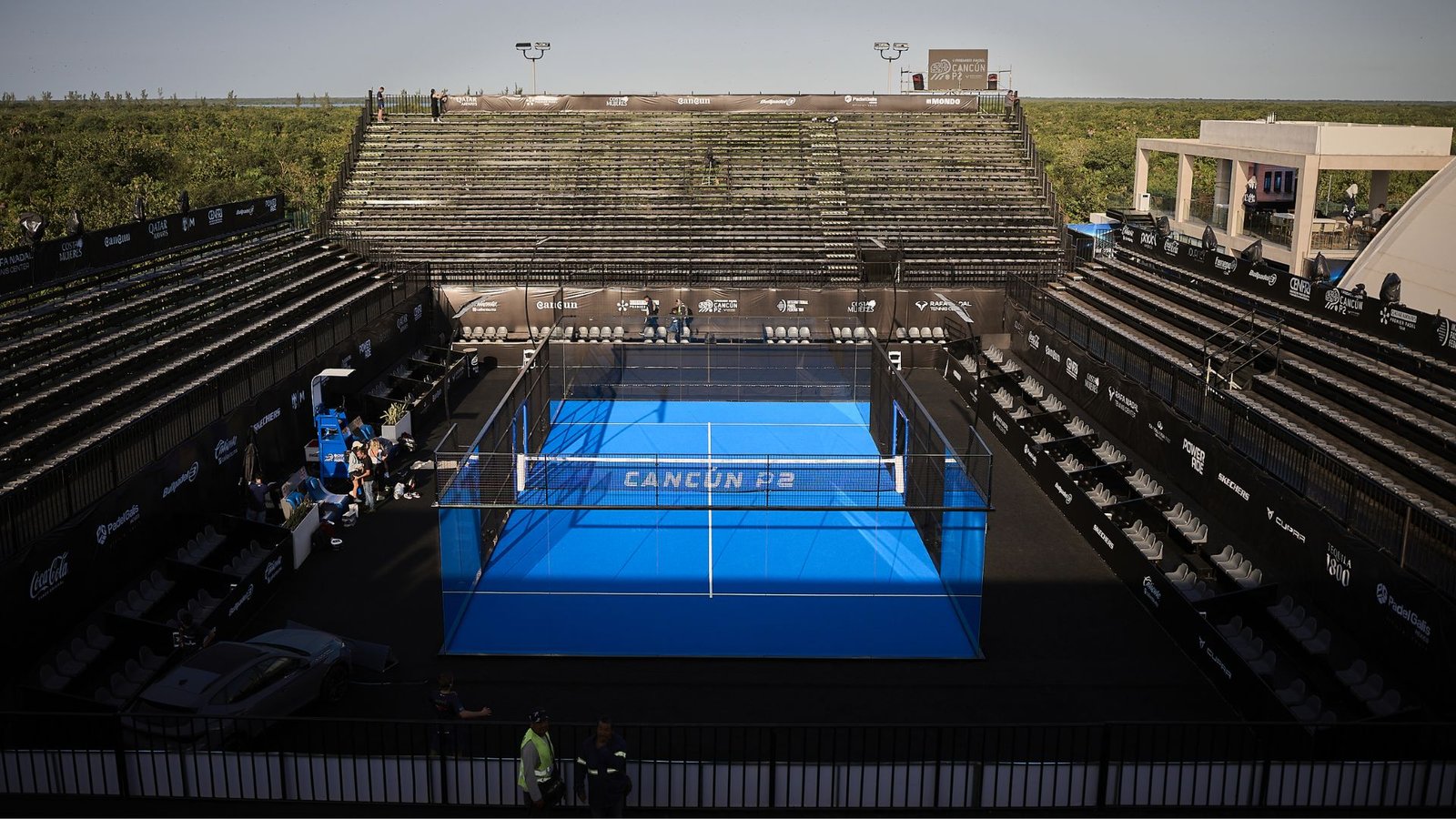
The long-term success of any padel facility relies on creating a vibrant, meaningful environment that goes beyond the 20×10 meter court. Facility owners must invest heavily in their brand identity and align their offerings with society’s deep need for connection. Padel is the hook; hospitality and human connection are the business.
Share




Post Comment
You must be logged in to post a comment.