





From Physical Asset to Digital Engine: The New Economics of Smart Padel Courts
Padel’s global rise has largely been measured in courts built, clubs launched, and players registered. Recent figures from the International Padel Federation (FIP) indicate more than 35 million players worldwide, with thousands of new clubs and courts added in the past year alone. The expansion phase has been dramatic.
But scale changes the conversation.
As more facilities enter the market and operating costs rise, simply adding courts is no longer a guaranteed path to margin growth. The industry is shifting from build-first economics to value-layered operations. Digital infrastructure is emerging as the next structural differentiator.
The Court Is No Longer Just a Court
Historically, padel venues operated on a straightforward model: construct courts, optimise peak-hour occupancy, and drive revenue through bookings. That formula still works, but competitive density is increasing. Players have options. Expectations are higher. Loyalty is fragile.
Forward-looking operators are now embedding technology directly into the playing surface. Smart court platforms—once reserved for elite training centres and broadcast environments—are becoming commercially viable at club level.
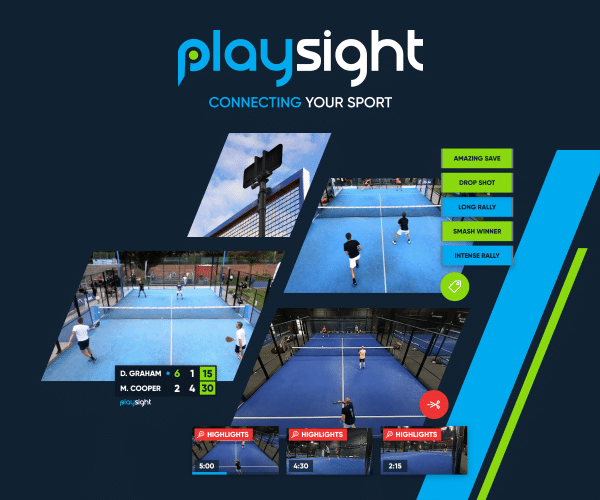
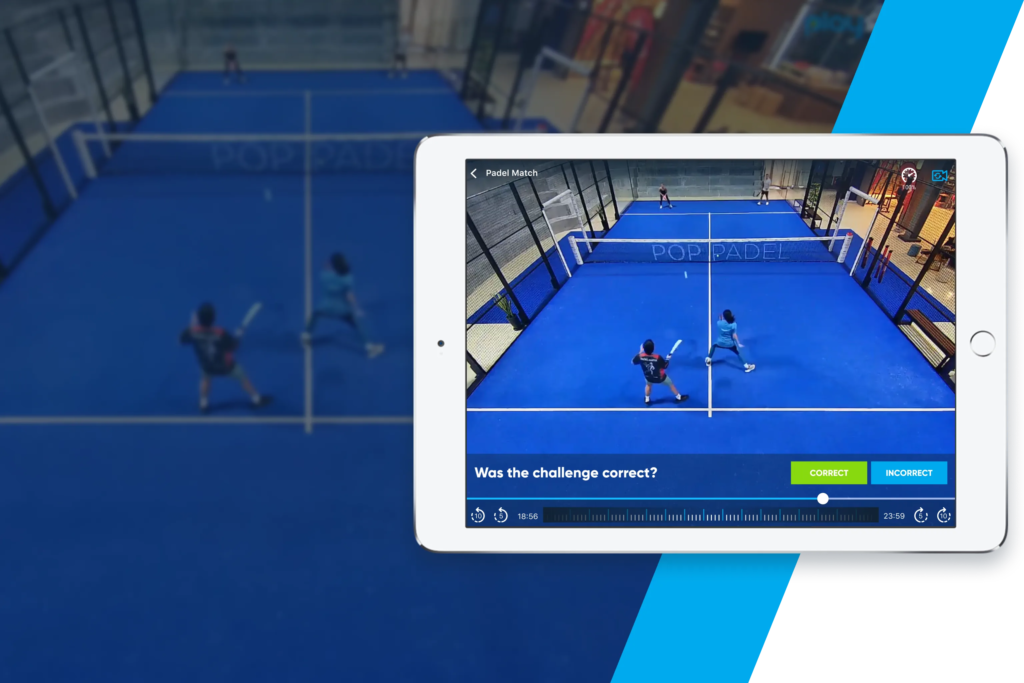
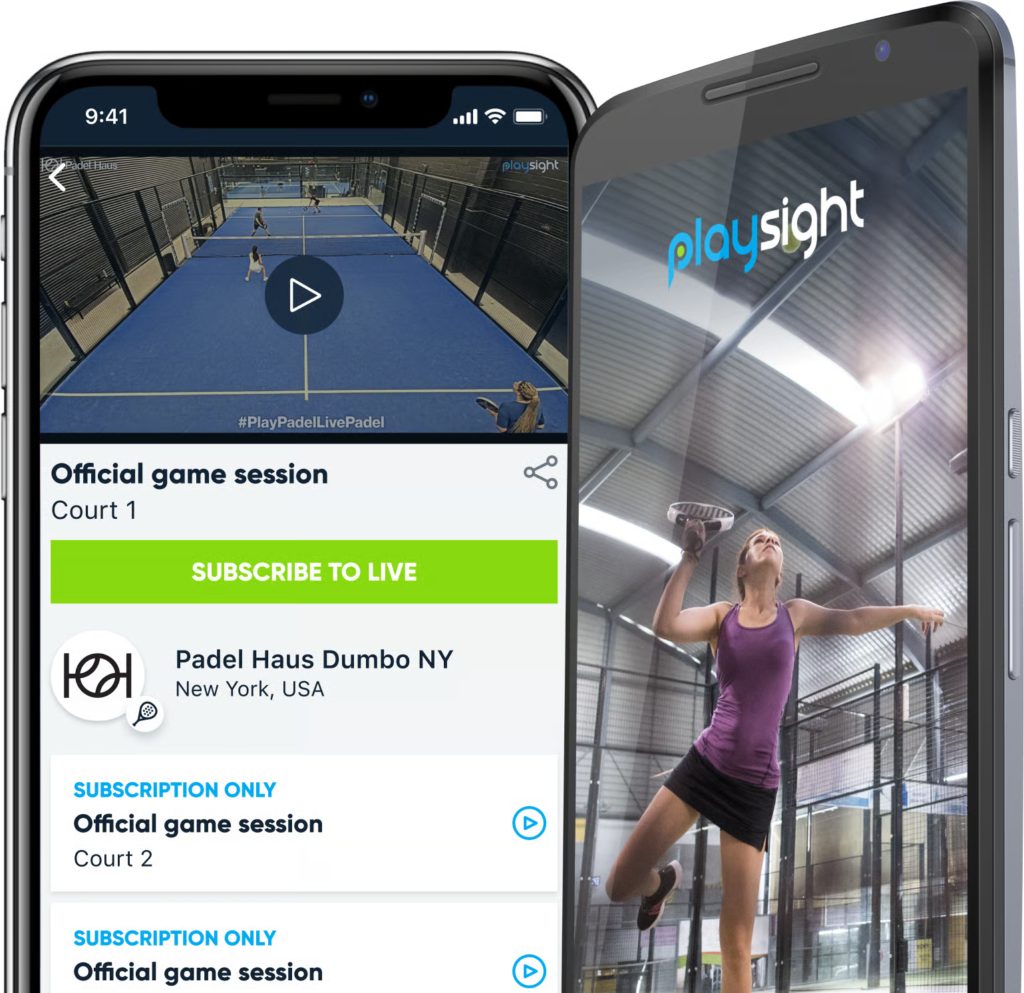
Systems such as PlaySight’s SmartCourt™ integrate multi-angle video capture, AI-powered analytics, automated highlights, instant replay functionality, and remote streaming into everyday play. What was once premium broadcast capability is now embedded in regular member sessions.
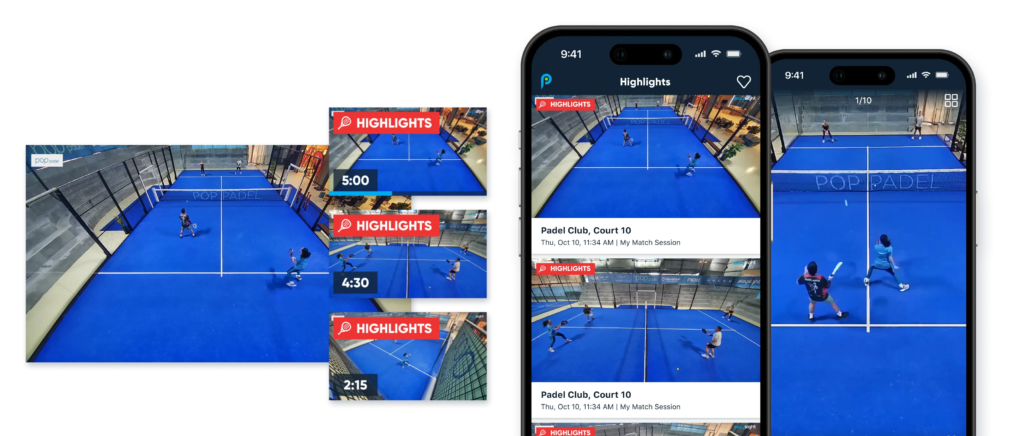
This changes the asset profile of the court itself. It becomes both a sporting surface and a media generator.
Experience Extends Beyond the 90 Minutes
Modern padel participants do not engage solely during play. They record, share, analyse, and revisit their sessions. Smart courts formalise that behaviour.
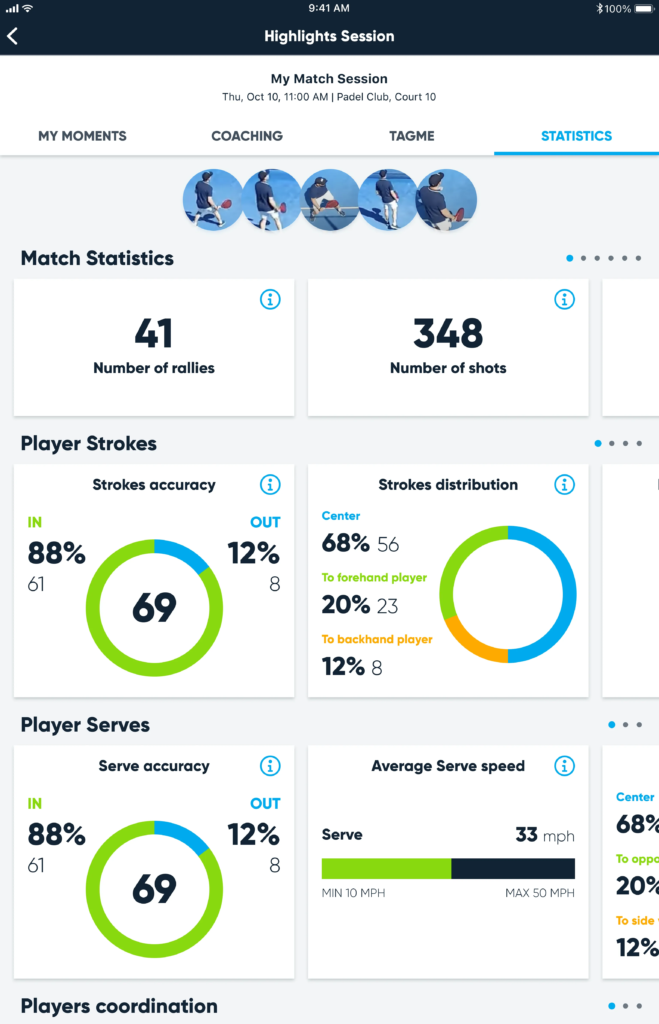
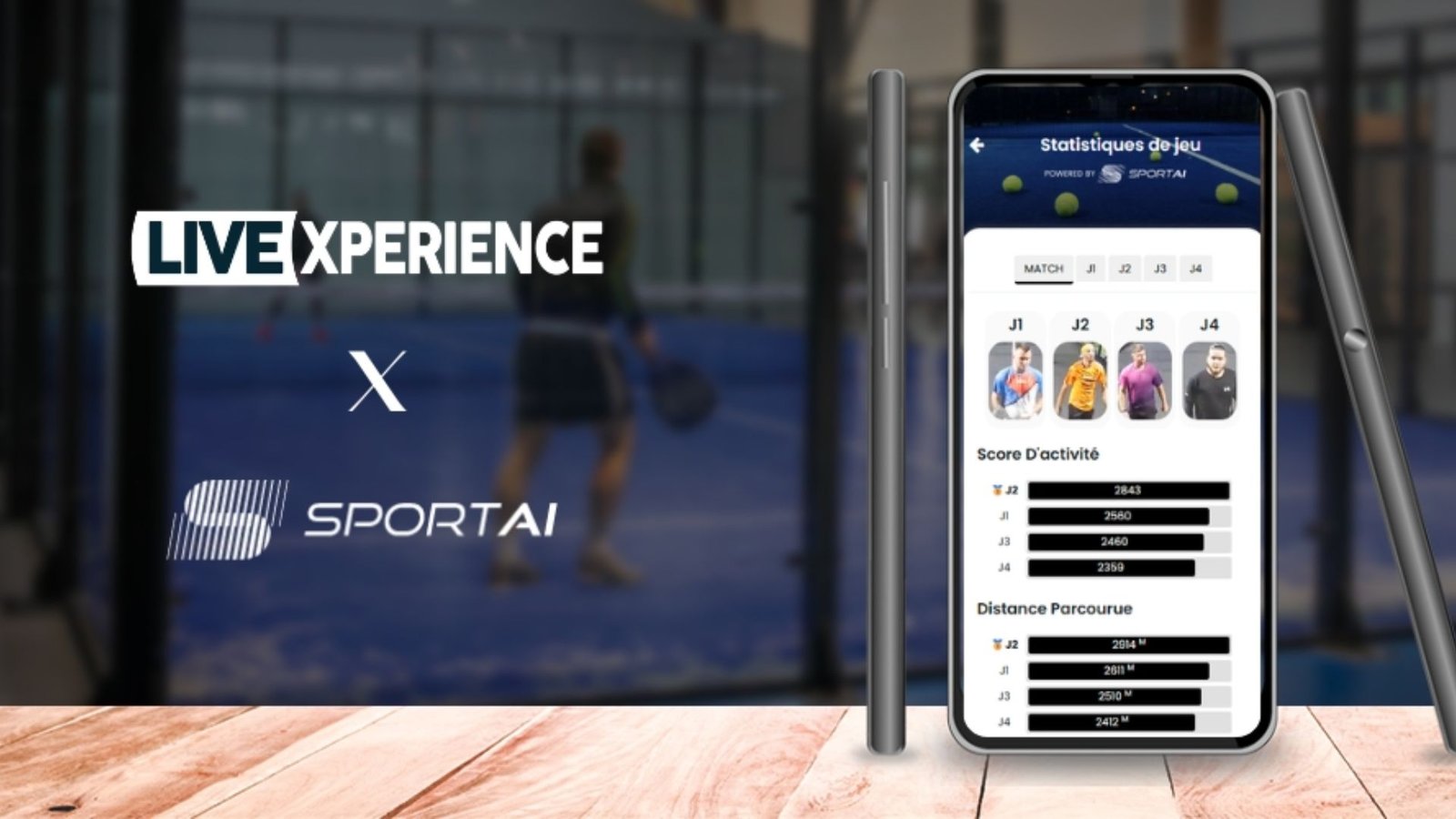
Automated highlights, replay tools, and match statistics convert each booking into reusable digital content. Players review tactical decisions. Coaches analyse movement patterns. Members post rallies and match-winning shots to social platforms. The match continues long after players leave the venue.
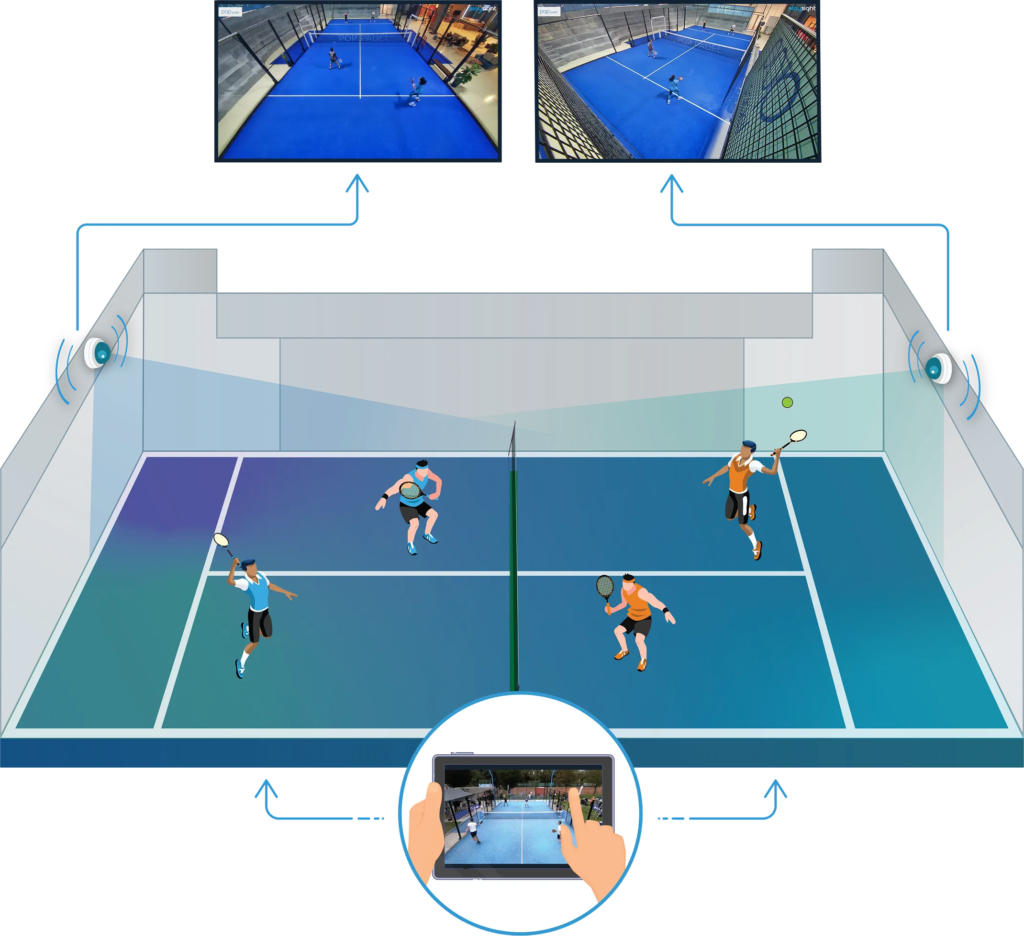
Clubs effectively gain an always-on content engine without hiring a production team. Courts become digital touchpoints that reinforce retention between visits.
This shift is cultural as much as technological. The expectation of instant access to performance data and shareable content is no longer confined to professional athletes. It is filtering into grassroots sport.
Unlocking New Revenue Channels
Embedding a digital layer into the court unlocks commercial mechanisms that traditional facilities struggle to scale:
1. Tiered Membership Models
Advanced analytics packages, full-match archives, or performance breakdowns can be bundled into premium subscriptions, strengthening recurring revenue.
2. Sponsorship Inventory Expansion
Live streams, branded highlight overlays, and digital match content create measurable exposure for partners. Sponsors gain visibility beyond static court signage.
3. Organic Marketing Output
Instead of purchasing content, clubs generate it continuously. Member-generated clips amplify reach while reducing marketing overhead.
4. Data-Driven Coaching Services
Video tagging and AI-assisted analysis move coaching from intuition-led to evidence-based, supporting higher-value performance programmes.
In competitive markets, these levers compound. Digital infrastructure increases engagement depth, not just booking volume.
Operational Friction Is Decreasing
Technology adoption in sport has historically been slowed by complexity. Manual activation, specialist staff, and fragmented systems limit scalability.
Next-generation smart court platforms address this barrier. Integration with booking software, automatic match recording, cloud-based storage, and remote management reduce operational strain. Activation can occur seamlessly within normal court bookings.
For multi-site operators and investors, this matters. Scalable systems that require minimal human intervention align with portfolio expansion strategies.
An example of this model in practice can be seen in the United States with Padel Haus, which has rolled out SmartCourt™ technology across multiple locations, embedding AI-powered cameras and analytics into its expansion strategy rather than treating them as optional upgrades.
The implication is clear: digital capability is becoming foundational rather than experimental.
Quantifying the Incremental Layer
The financial logic does not rely solely on high-end sponsorship or broadcast deals. Even modest pricing adjustments can generate meaningful uplift.
Consider a mid-sized club operating six courts with four matches per court daily. A small per-session technology fee integrated into bookings can produce significant annual incremental revenue before accounting for premium analytics packages or sponsored content.
When multiplied across multi-venue portfolios, the digital layer materially shifts valuation narratives. Investors increasingly assess data capture, engagement metrics, and monetisation headroom alongside physical assets.
AI and Personalised Performance
The integration of generative AI is accelerating this trajectory. Through collaboration with Microsoft, PlaySight is enhancing automated video production and personalised performance insights using cloud-based infrastructure.
The focus is moving beyond basic statistics toward contextual intelligence: tactical recommendations, equipment insights, and deeper performance diagnostics. As this layer matures, data will influence everything from coaching pathways to equipment selection.
The gap between elite analytics and everyday play continues to narrow.
Infrastructure, Not Novelty
Smart courts are not a short-term trend. They reflect a broader sports industry movement in which physical participation is inseparable from digital experience. Broadcast-quality streaming, AI-generated highlights, and real-time performance metrics are becoming baseline expectations rather than differentiators.
Padel’s global expansion is entering a more sophisticated phase. In emerging markets, facilities may still compete primarily on access and court count. In mature markets, advantage will hinge on ecosystem integration.
The court remains central. But its meaning is evolving.
It is no longer just a surface for play. It is a connected platform capable of generating data, media, engagement, and recurring revenue in parallel.
Operators who treat digital infrastructure as core architecture—not decorative add-on—position themselves for stronger retention, deeper monetisation, and long-term strategic resilience.
Share










Post Comment
You must be logged in to post a comment.